

Error message
- Notice: Undefined offset: 0 in include() (line 23 of /home/ggsgreen/public_html/sites/all/themes/Porto/templates/node/node--twitter-feed.tpl.php).
- Notice: Undefined offset: 0 in include() (line 25 of /home/ggsgreen/public_html/sites/all/themes/Porto/templates/node/node--twitter-feed.tpl.php).
- Notice: Undefined offset: 0 in include() (line 56 of /home/ggsgreen/public_html/sites/all/themes/Porto/templates/node/node--twitter-feed.tpl.php).
- Notice: Undefined offset: 1 in include() (line 23 of /home/ggsgreen/public_html/sites/all/themes/Porto/templates/node/node--twitter-feed.tpl.php).
- Notice: Undefined offset: 1 in include() (line 25 of /home/ggsgreen/public_html/sites/all/themes/Porto/templates/node/node--twitter-feed.tpl.php).
- Notice: Undefined offset: 1 in include() (line 56 of /home/ggsgreen/public_html/sites/all/themes/Porto/templates/node/node--twitter-feed.tpl.php).
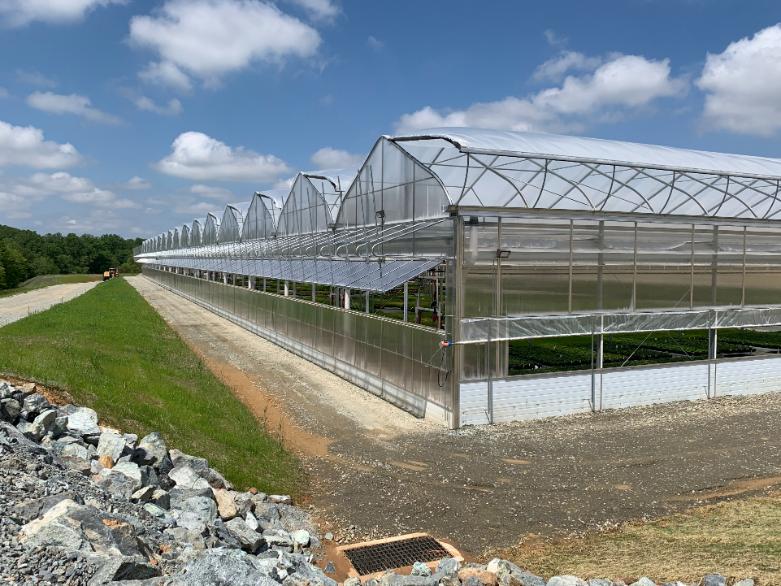
Harvesting Success: The Vital Role of Grower Knowledge in Greenhouse Planning
Harvesting Success: The Vital Role of Grower Knowledge in Greenhouse Planning
Beyond Structure: Cultivating Prosperity with the Right Greenhouse and Grower Expertis

Navigating Economic Uncertainty: Turning Challenges into Opportunities in the Greenhouse Industry
Navigating Economic Uncertainty in the Commercial Greenhouse Business: Turning Challenges into Opportunities in the Greenhouse Industry

Commercial Greenhouses for Controlled Environment Agriculture
Here, we'll discuss the greenhouse essentials to create a sustainable controlled environment greenhouse.
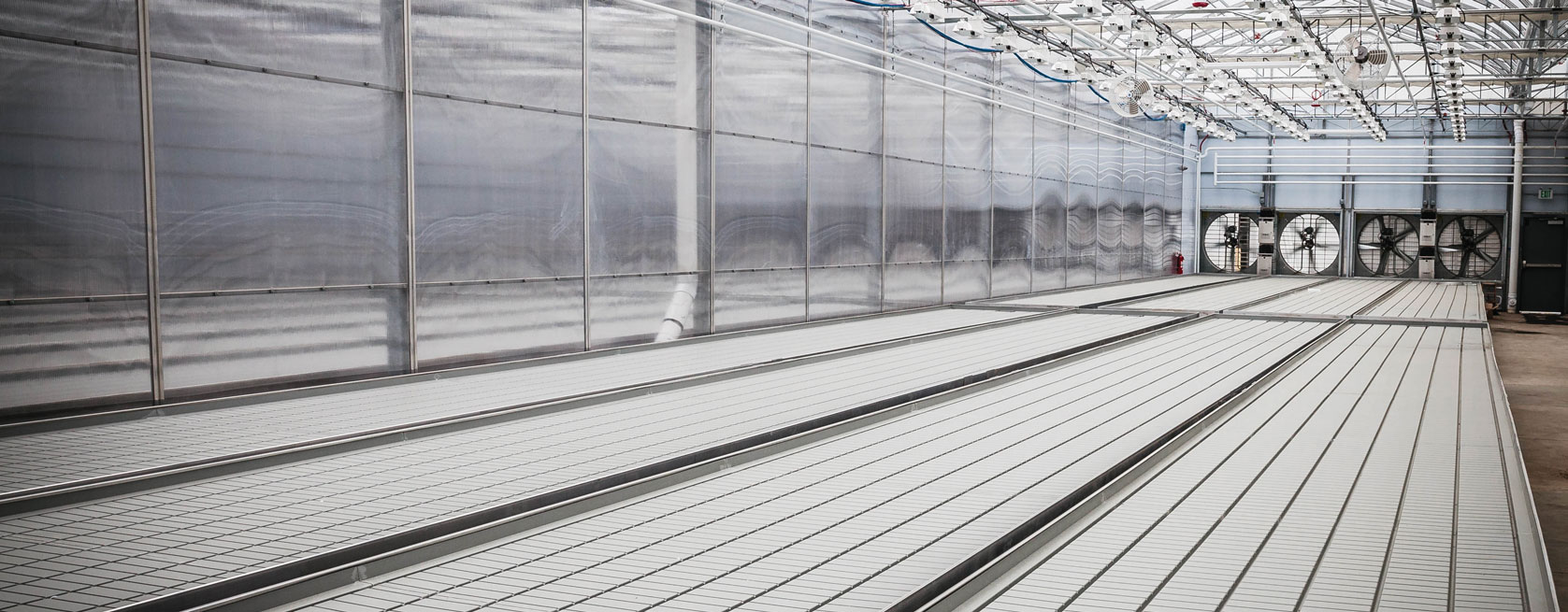
Rolling Benches Increase Cannabis Yields
Growing cannabis can be challenging and it takes patience. It requires the right kind of bench to maximize your growing space. Let’s have a look into the benefits of using rolling benches to increase yields and efficiency in your cannabis crop.

4 Steps to Maintain Energy Efficiency
Commercial greenhouse growers, for the most part, have had a good 2021. With everyone still hesitant to change their tendencies of staying close to home, spring plant sales were good. Potted crops and other floral crops have moved well.
Energy cost increases, supply chain delays, labor shortages and significant jumps in most input and shipping costs are potential issues affecting the industry.

Pipp Horticulture Acquires the GGS Group of Companies
Pipp Horticulture (a division of Pipp Mobile Storage Systems, Inc.) (“Pipp”), the leading provider of space-saving, multi-level mobile cultivation systems, announced today that it has acquired the GGS Group of Companies (“GGS”). Based in Vineland Station, Ontario, GGS is one of the most recognized names in the Horticulture industry. They have been the leading manufacturer of top-quality greenhouses and turnkey greenhouse growing solutions including traditional rolling benches, heating and ventilation systems, and curtain systems.

Bigger Isn't Always Better
In a previous blog we have discussed the ideal size for a marijuana greenhouse however it is worth looking at it again.

Is Your Greenhouse Winter Ready?
With Winter around the corner, colder weather and shorter days are on their way. It’s a good time to re-post a relevant blog on tips for preparing for the coming seasonal changes.
For areas that experience significantly colder weather and snow during the fall and winter seasons, it’s important to prepare your greenhouses so your crops are protected. Here are a few things to consider when preparing your commercial greenhouse operation for the fall and winter:
Tidy up
Pulling the Plan Together for Successful Lettuce Growing in Greenhouse Production
From our perspective as greenhouse manufacturers specializing in greenhouse production and management, at GGS, this series of articles has covered most of the key inputs needed for setting up and preparing for greenhouse lettuce and leafy green production. We have a team of very experienced staff and partners that know how to plan and implement the manufacturing, construction, and management necessary for starting up greenhouse growing plans for a facility.